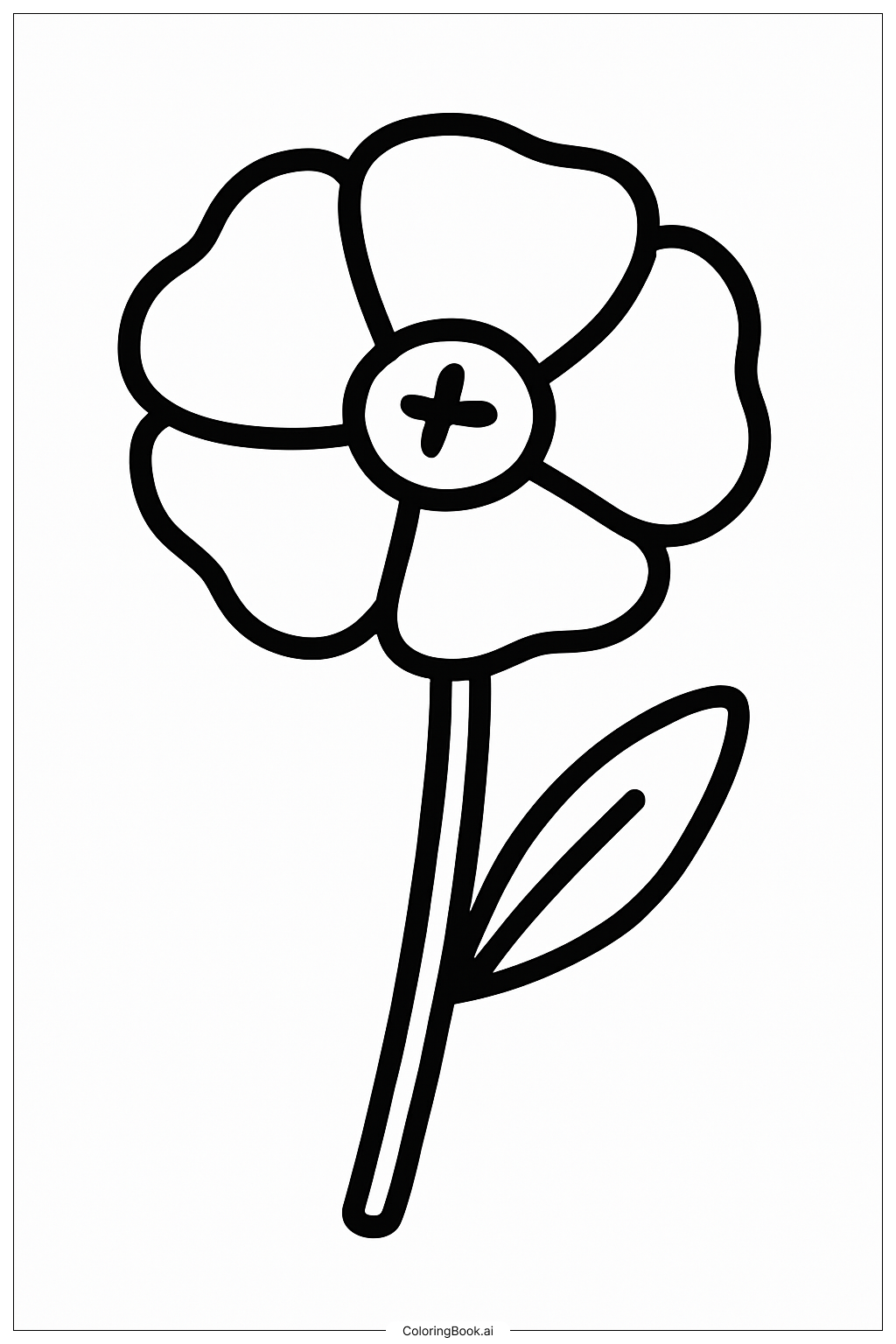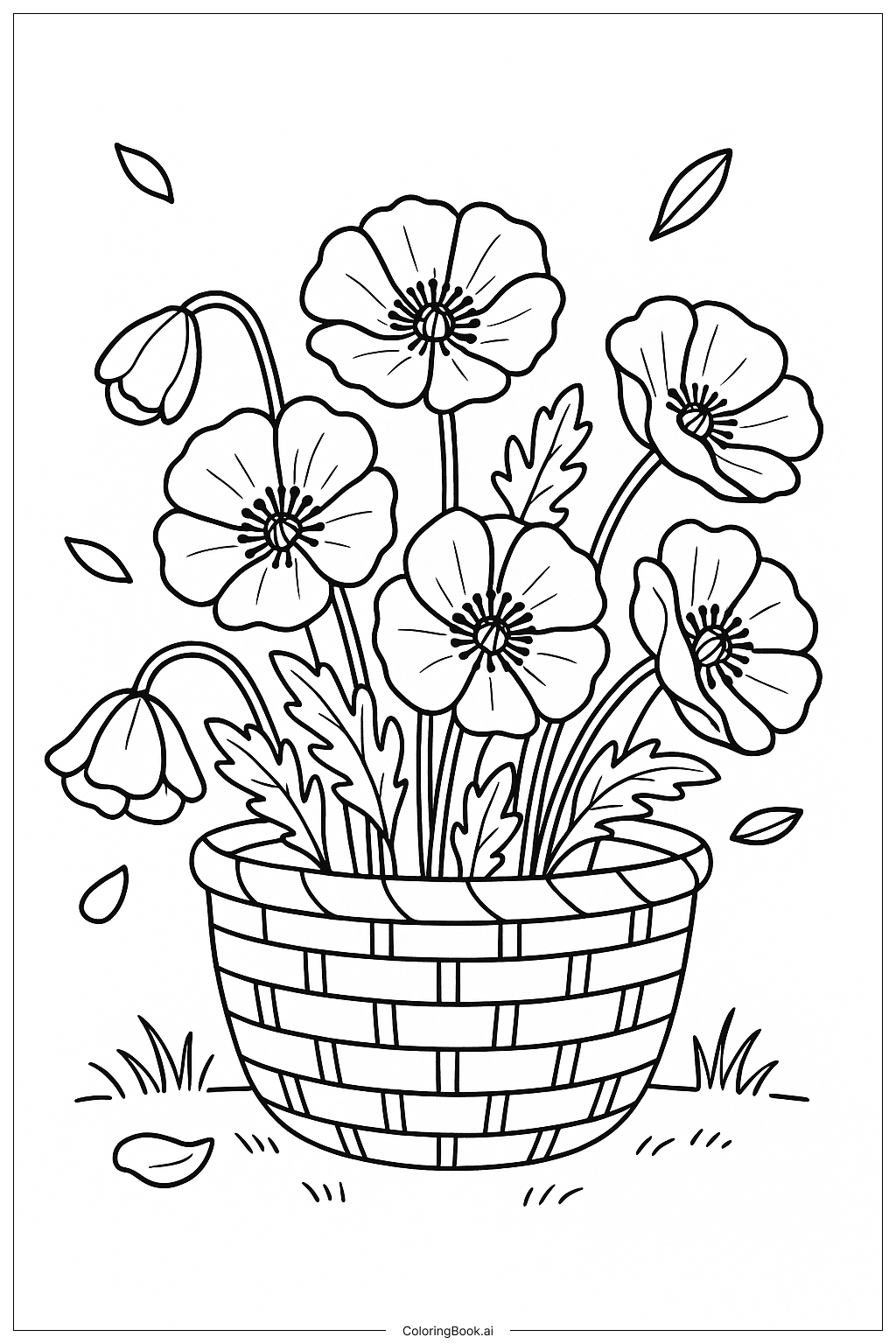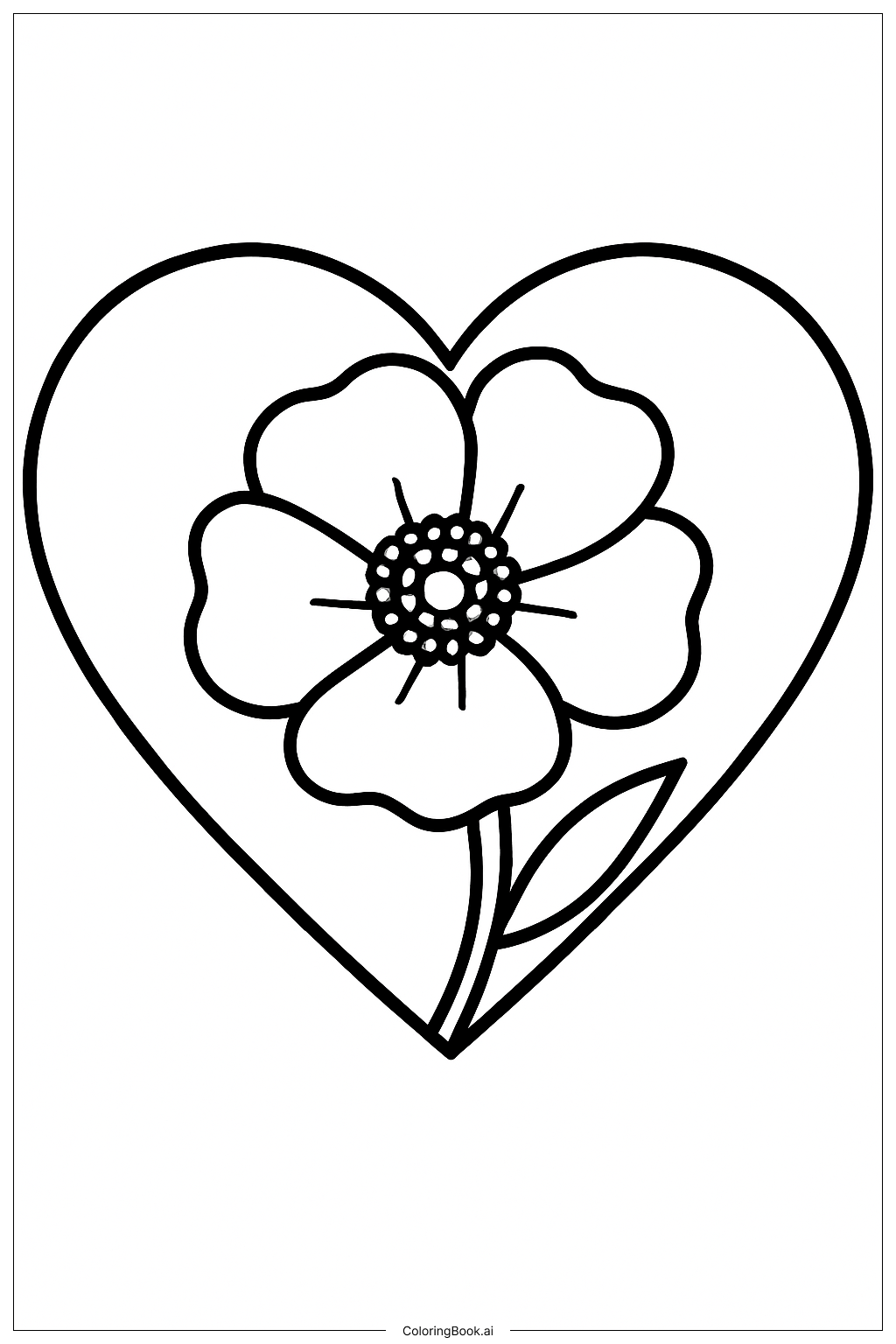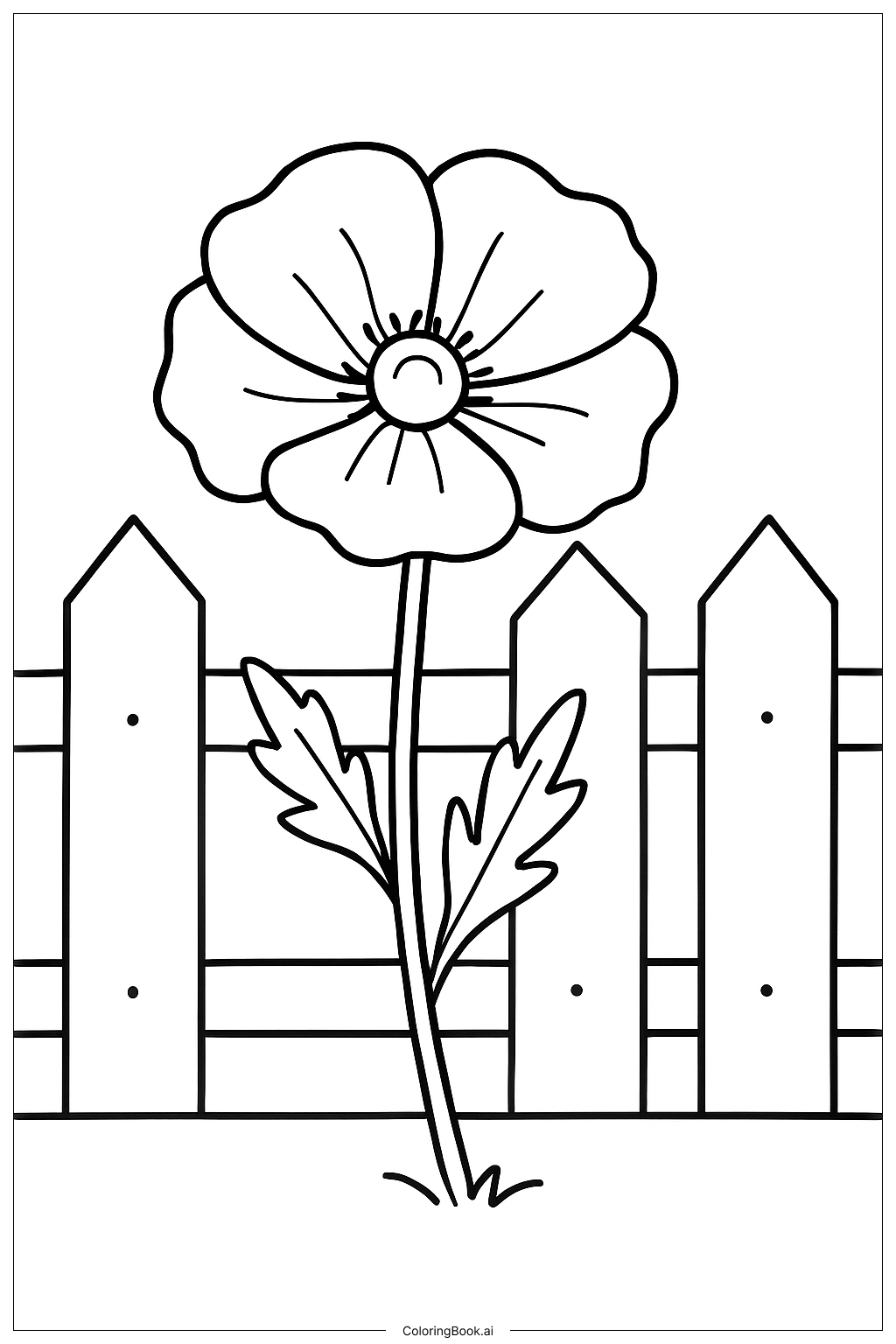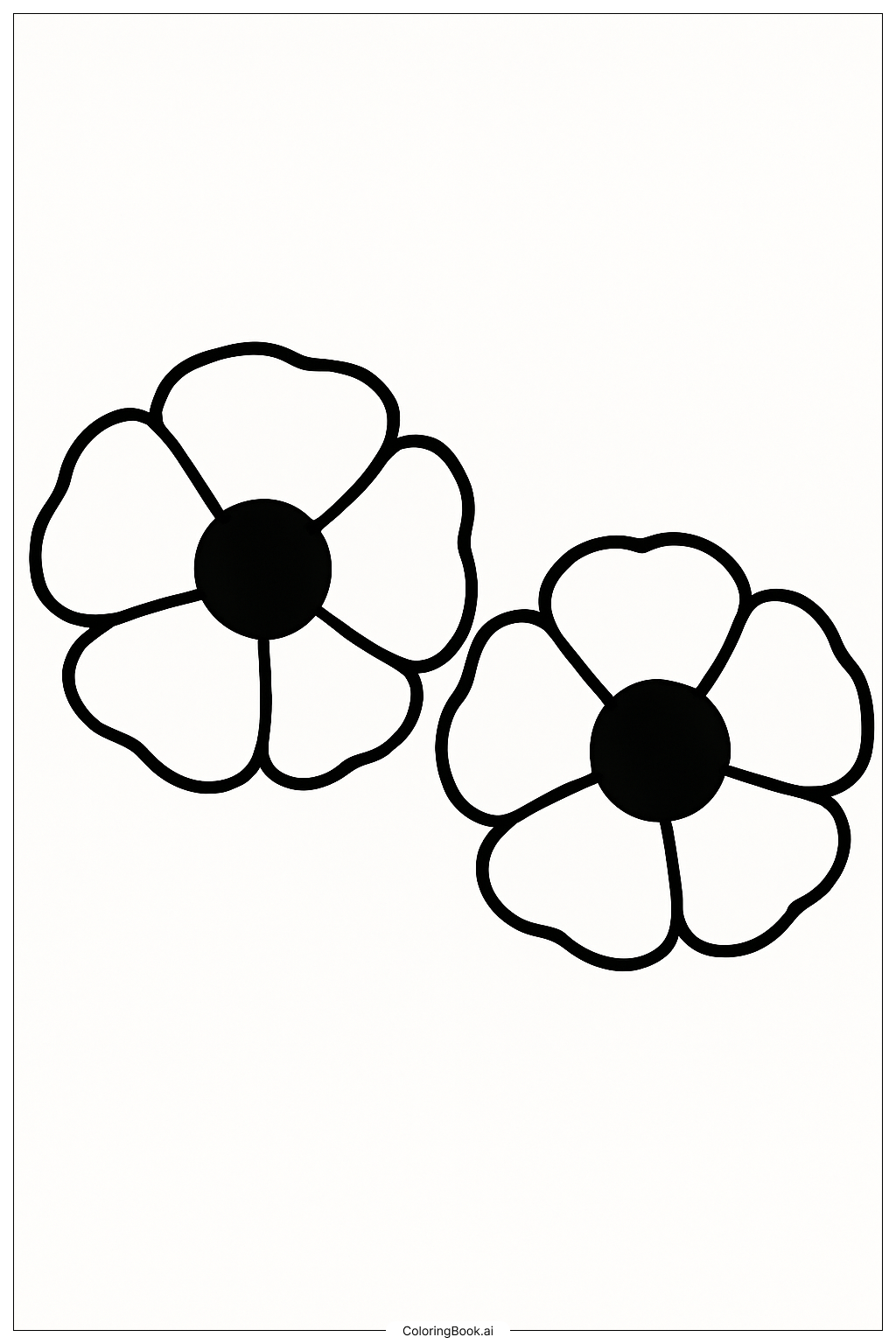
Coloring tips: How to color Two Simple Poppy Flowers coloring page well?
Try coloring the poppy petals in bright red or deep orange to make them stand out. Use lighter shades near the edges of the petals to show softness. For the centers, choose dark brown or black to create contrast. The stems and leaves can be colored in different shades of green to add depth and variety. Feel free to blend colors gently to give the flowers a natural look. You can also use yellow or white highlights to make the petals appear fresh. Keep your strokes smooth and follow the shape of the petals to bring the flowers to life.
Coloring challenges: Which parts are difficult to color and need attention for Two Simple Poppy Flowers coloring page?
• Petal Shading: The petals have subtle curves and folds that can be tricky to shade realistically. It requires careful color blending to show the soft texture without making the petals look flat.
• Small Details: The flower centers have small parts that need precision to color without going outside the lines. This challenges fine motor skills.
• Leaf Veins: The leaves contain delicate lines that represent veins. Coloring these neatly while differentiating them from the leaf’s main area can be difficult for beginners.
• Stem Smoothness: Stems are long and slender, demanding consistent, smooth coloring to avoid streaks that can disrupt the natural look.
• Color Choice Balance: Choosing colors that balance well between flowers and leaves while still keeping the image lively can be a challenge, especially for young colorers learning about color harmony.
Benefits of coloring books: Advantages of drawing Two Simple Poppy Flowers coloring page
Coloring this Two Simple Poppy Flowers image helps improve hand-eye coordination and fine motor skills, especially when working on small spaces like the flower centers and leaf veins. It encourages creativity by allowing children to experiment with various shades of red, orange, green, and other colors to bring the flowers to life. The simple but elegant design supports focus and concentration, building patience and attention to detail. Coloring these natural shapes also helps develop an appreciation for plant life and promotes relaxation, making it a rewarding and calming creative activity for children and beginners alike.